MZ ETZ 125/150: the 2-wheeled hero of the Sotsa
In 1985, the motorcycle factory in Chopau began series production of the new MZ125/150 models, which were also the last before the reunification of East and West Germany termostat mahle pret auto.
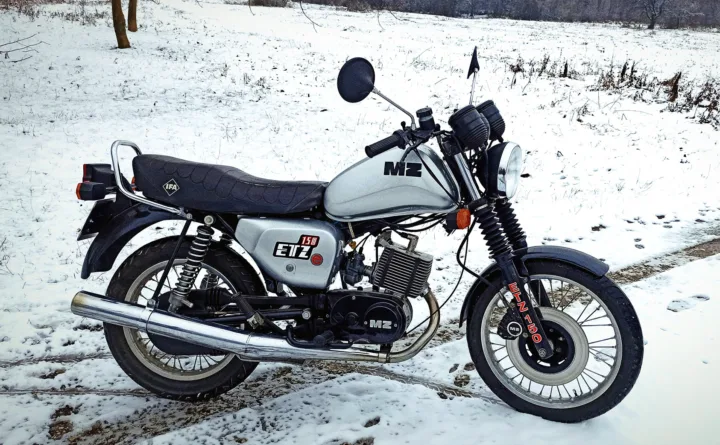
The first MZ 125/150 motorcycles debuted in 1962 and over time experienced a dynamic technical evolution. In 1964, wide cylinder fins and a carburetor priming device appeared, in 1969 the maximum power was increased to 7.35 kW for the 125 cc versions and 8.45 kW for the 150 cc versions, and the first telescopic fork was introduced. In 1973, a new type of motorcycle with telescopic fork was presented, and in 1977 the crank-and-wheel mechanism was improved with a 50:1 petrol-oil mixture ratio. Stylistic changes also gave each subsequent MZ generation a characteristic and memorable look.
The new MZ ETZ, launched exactly 40 years ago, is distinguished by numerous technological and structural upgrades, but its attractive design, which is completely on par with its Western competitors, is particularly impressive. The frame is made using automated and mechanized welding. By shortening it by 60 mm and introducing 16-inch rear tires, the wheelbase of the smaller models has been reduced by 90 mm compared to the 250-cc model, and the overall length by 200 mm. The technological similarity within the small and large MZ allows for rational use of the available production facilities. Compared to the pressed frame used until now, the stability of the structure has been increased by 100%. The entire front end, including the telescopic fork, handlebars, fittings and fender are identical to those of the MZ 250, but the 125/150 models have also introduced additional improvements such as a round mirror, a combined switch for low and high beams, a horn, a flashing horn and direction indicators, an instrument panel with a tachometer, speedometer and ignition switch.
The front disc brake is also taken from the MZ 250, while the rear is a drum with a diameter of 150 mm and an external location of the drive lever. The rolled steel rings have been replaced by cast iron, which increases its performance and durability.
Especially for the 125/150 models, the Heidenau plant is developing new rear tires in the size 3.25-16 and a new tread. The drive chain has been widened from 6.4 to 7.75 mm and housed in a protective sleeve.
The engine cover has been modified to accommodate the new 5-speed gearbox. The engagement mechanism is designed to prevent incorrect engagement while also locking the engaged gear. The cylinder liners have been modified to have an almost rectangular shape, and the number of ribs has been increased from 9 to 11. The piston has two piston rings and is 5.5 mm longer. The tachometer is driven directly by the crankshaft. The clutch is a multi-plate with a release spring, which ensures its smooth operation and reduces the required manual force.
This was the last MZ motorcycle model produced in the GDR. In 1991, the company was privatized, and from 1992 to 1999, all new models were launched under the trade name MuZ (from Motorrad und Zweiradwerk - "motorcycle and two-wheeled vehicle factory"). In 1999, the MZ brand was restored.
- 2026-09-18 - Mercedes CLS 63 AMG Shooting Brake: the most beautiful Benz station wagon in history has a cherry trunk floor
- 2026-09-17 - Powerliner: new generation of powertrains for higher efficiency from Mercedes-Benz Trucks
- 2026-09-16 - Renault saves fuel with the help of a computer 45 years ago
- 2026-09-15 - Mercedes now holds the record for most Formula 1 wins alongside Ferrari
- 2026-09-14 - The Maserati legend comes to Bulgaria - a retrospective
- 2026-09-13 - The new Spring – no longer from China, but from Slovenia (VIDEO)
- 2026-09-12 - Wind in your hair, flies in your teeth and 9000 rpm: the new Porsche 911 GT3 S/C (VIDEO)
- 2026-09-11 - Škoda Beta: 30 years ago another Bulgarian project failed
- 2026-09-10 - Another Chinese model receives 5 stars for safety from Euro NCAP
- 2026-09-09 - Innovative Osram lamp protects you on the road better than a warning triangle in an accident