100 thousand kilometers with the Subaru Outback: strength lies in peace (EXTENDED TEST)
The Subaru Outback 2.5i AWD has covered 100,000 km in our extensive testing. How did the different naturally aspirated boxer engine with continuously variable automatic transmission perform piese auto online.
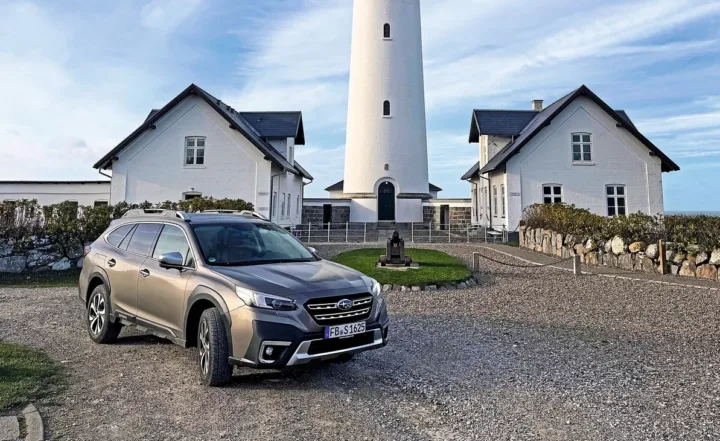
With the OUTBACK, Subaru founded an entire automotive segment in 1996 – that of the rustic, four-wheel-drive station wagon. The Volvo V70 Cross Country and Audi A6 allroad followed later. So we were pretty excited when the sixth generation of the model arrived with us for an extended 100,000 km test in 2022.
The Subaru key was always in demand in the editorial office – especially by those who had to travel long distances and were not in a hurry, since the route passed through countries with speed limits anyway. Criticisms in the car log: the CVT continuously variable automatic transmission, installed not least because of the space, worked without pulling, but still with a noticeable rubber effect – when accelerating, the good-sounding 2.5-liter naturally aspirated engine revs excessively, but the speed increases with delay.
Because the transmission holds the short gear ratios for too long, dynamics fans will also have high fuel consumption. This is especially annoying in trailer towing mode, otherwise it is a parade discipline of the Outback. Shifting to a higher gear using the paddles on the steering wheel helps.
Second criticism: overly pedantic assistants. Quote: "A real orchestra of warning tones, not to mention those instructive interventions in the control!". Switching off is only possible via a four-level menu and a wave of a finger. Other criticisms: few front storage compartments, navigation is not the most modern, and the menus seem to be somewhat illogical. Automatic turn signals confuse instead of facilitate.
We come to the praises that prevail: the spacious engine compartment, which facilitates work in the service station, the good overview, the large seats and the practical trunk with a capacity of up to 1822 liters. The different "Japanese" - contrary to the trend, it is taller than its predecessor - offers some hidden qualities that make it the first choice for some difficult tasks. Starting on steep slopes without loss of traction, without flying stones. Even after several repetitions of such maneuvers, the continuously variable transmission does not heat up - specialists with experience in off-roading have clearly worked here.
The roof bars, with a load capacity of up to 100 kg (dynamic) and 318 kg (static), are ideal for roof tents. A hunting colleague praised the 213 mm ground clearance, the comfortable angle of attack of the body and the steel underbody protection (optional). The indifferent steering from the middle position, which stiffens strongly from a speed of 150 km/h, takes time to get used to - as does the car itself. We would like more cars from our long tests to be carved from this wood.
Continue to the next page
- 2026-04-02 - Used cars up to 5,000 euros: Toyota Auris
- 2026-04-01 - BYD Seal 08 charges 400 kilometers in just five minutes
- 2026-03-31 - Citroën with its own repatriation vehicle (retrospection)
- 2026-03-30 - This is how a used car scam works on the Internet
- 2026-03-28 - The legendary Golf that customers weren't ready for
- 2026-03-27 - Jeep launches an armada of off-road titans on the traditional Easter Safari
- 2026-03-26 - What helps against harmful tire dust?
- 2026-03-25 - Mobile for 3000 euros: Toyota Yaris II
- 2026-03-24 - What technologies does Continental use to combat tire noise?
- 2026-03-23 - Welcome to the Porsche Battery Kitchen in Slovakia